Historic Ecumenical Moment as King Charles III and Pope Leo XIV Pray Together at the Vatican

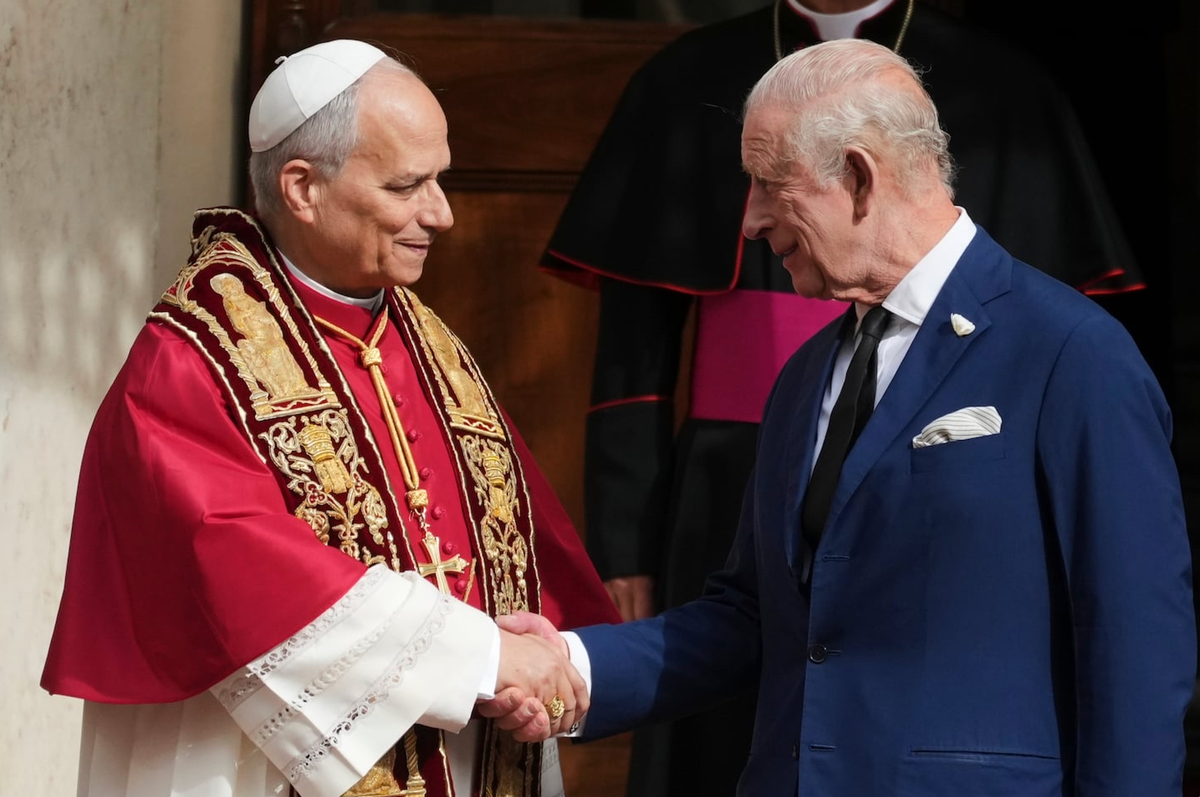
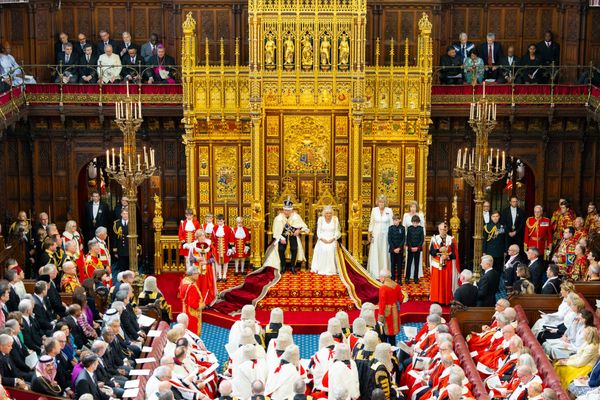
In a moment that will be remembered for generations, King Charles III and Pope Leo XIV stood side by side in the hallowed environs of the Sistine Chapel at the Vatican on 23 October 2025 and joined in prayer—a first between a British monarch and a Roman Catholic pontiff since the Reformation.
A Gesture of Reconciliation
This event marked a symbolic closing of a chapter that began nearly 500 years ago when Henry VIII broke with Rome and established the Church of England in 1534.
Under the fresco of Michelangelo’s Last Judgment, the act of prayer turned into a visual narrative of ecumenical progress: Catholic and Anglican choirs blending – Latin and English hymns sung in harmony. One report noted that the service featured music by the 16th-century English Catholic composer Thomas Tallis – himself a product of England’s turbulent religious past – and was performed for the King and Pope together.
What Happened
- The royal couple, King Charles and Queen Camilla, were formally received at the Vatican’s Apostolic Palace.
- They then took part in an ecumenical service in the Sistine Chapel, led by Pope Leo and the Anglican Archbishop of York, Stephen Cottrell.
- Hymns and readings referenced shared Christian heritage and care for creation, reflecting both leaders’ commitments to environmental stewardship.
- Later, the King visited the Basilica of St Paul Outside the Walls, where a special seat bearing the royal coat of arms will remain for future monarchs—a symbol of continuing ties.
Why It Matters
- Monarchical role in faith: King Charles, as Supreme Governor of the Church of England, publicly prayed with the head of the Roman Catholic Church – a major constitutional and symbolic moment.
- Ecumenical advancement: The event underscores decades of ecumenical dialogue between Anglican and Catholic traditions since the 1960s, and the desire for shared Christian witness in a fractured world.
- Global messaging: It sends out a powerful visual of unity, at a time when religious, ecological and political stresses loom large. For royalty, it reinforces soft power and moral leadership.
- Cultural resonance: Set beneath masterpieces of the Renaissance, this moment highlights how royal engagements can transcend ceremony into symbolic storytelling.
Context and Shadows
While the occasion radiates positivity, it comes amid complications:
- Some conservative Protestant voices voiced concern or opposition, arguing a British monarch praying with a Pope contradicts historic oaths to uphold Protestant faith.
- Theological differences remain substantial (ordination of women, same-sex marriage, authority structures), so unity is not without tension.
What’s Next for the Crown and the Church
For the royal household and ecclesiastical partners, the implications are worth watching:
- For King Charles, this moment reinforces his lifelong advocacy for inter-faith dialogue, heritage conservation and environmental concern.
- For the monarchy, it offers a narrative pivot: from constitutional head to global moral figure engaged with pressing issues beyond borders.
- For church relations, it may open further cooperation between Anglican and Catholic institutions in Britain and abroad – particularly on social issues and climate.
Final Thoughts
What we witnessed at the Vatican wasn’t just a handshake under gilt ceilings. It was history being made, centuries-in-the-making: two traditions once estranged, brought together by symbols, service and sincere gestures. For King Charles and Pope Leo XIV, the Act of Prayer wasn’t just personal—it was institutional, global and regal.
As the cloisters cleared and the gold-leafed ceilings settled back into silence, one thing remained clear: royalty still matters, and it still tells stories—ones that reach beyond palaces and pulpits into the heart of cultural identity.