Royal History: The Queen and the Presidents Queen Elizabeth II's State Visits to America

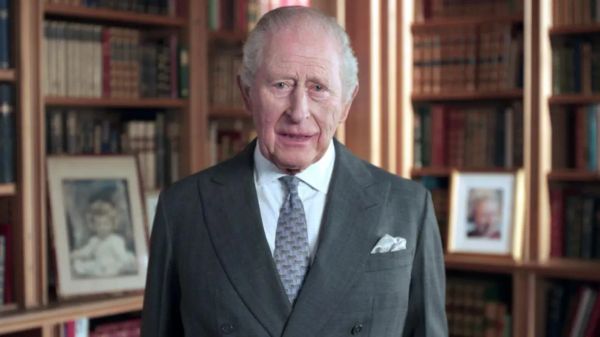
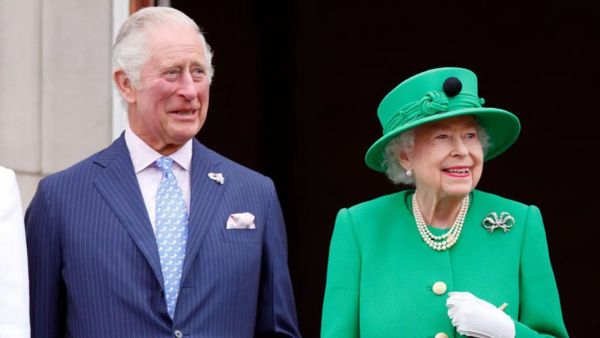
As King Charles III prepares for his state visit to the United States this month, we look back at the remarkable history of his mother's visits to America — a story spanning seven decades, thirteen presidents, and some of the most memorable moments in the history of the Special Relationship.
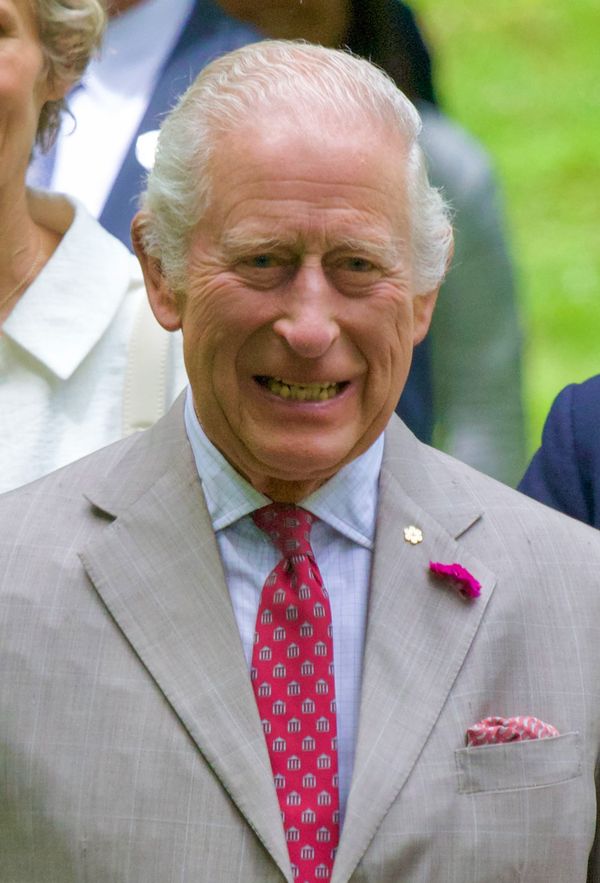
When King Charles III arrives in Washington, D.C. on April 27, 2026 — commemorating the 250th anniversary of American independence — he will become only the second British monarch to address a joint meeting of the United States Congress. The first was his mother.
Queen Elizabeth II's relationship with America was one of the great diplomatic love stories of the twentieth century. Over the course of nearly six decades, she visited the United States seven times as queen and once as a princess, traveling from the corridors of the White House to a supermarket in suburban Maryland, from the 350th anniversary of Jamestown to the still-raw wound of Ground Zero. She attended a college football game, survived an El Niño storm at Ronald Reagan's ranch, watched the Kentucky Derby, and delivered a toast so perfectly timed that it left a sitting president speechless.
She met thirteen of the fourteen presidents who served during her reign — every one from Harry Truman to Joe Biden, missing only Lyndon B. Johnson due to scheduling. No other head of state in modern history can claim such a record. And along the way, she did something that no amount of diplomacy or treaty-making could have accomplished on its own: she made Americans love the British monarchy.
This is the story of those visits.
A Princess in Washington: 1951
The story begins before she was queen.
In late October 1951, Princess Elizabeth and Prince Philip, Duke of Edinburgh, arrived in Washington, D.C. for a brief visit at the invitation of President Harry S. Truman. Elizabeth was 25 years old, her father King George VI was gravely ill, and the weight of what was coming — though unspoken — hung over everything.
The White House was undergoing a massive renovation at the time, so the president and his family were living across the street at Blair House. It was there that Truman welcomed the young princess and her husband. The visit was short — just a few days — but it left a mark. The royal couple visited the Capitol Building, the Library of Congress, and Arlington National Cemetery. They traveled to Mount Vernon to pay respects at the tomb of George Washington. At the British Embassy, they hosted a reception for Washington's diplomatic corps.
As a gift, the princess presented Truman with a seventeenth-century trumeau on behalf of her father — a decorative overmantel mirror that would later hang above the fireplace in the Queens' Bedroom on the second floor of the White House, where it remained for decades.
Truman was plainly charmed. "We have many distinguished visitors here in this city," he said, "but never before have we had such a wonderful young couple that so completely captured the hearts of all of us."
Just four months later, on February 6, 1952, King George VI died in his sleep at Sandringham. Elizabeth became queen at the age of 25, thousands of miles from London, while on a visit to Kenya. She would not return to America for another five years. When she did, everything had changed.
The First State Visit: Eisenhower and the 350th Anniversary, 1957
Queen Elizabeth II's first state visit to the United States as monarch was a nine-day affair in October 1957, and it was a spectacular introduction. The visit was timed to coincide with the 350th anniversary of the founding of Jamestown — the first permanent English settlement in America, established in 1607 — and it began, fittingly, in Virginia.
On October 16, the 31-year-old Queen and Prince Philip arrived in Williamsburg. The following day they traveled to the newly created Jamestown Festival Park, where approximately 40,000 spectators had gathered for the anniversary celebration. It was the first time a reigning British monarch had ever visited Jamestown or Williamsburg, and the symbolism was powerful: here was the Queen of England, standing on the ground where the English colonial adventure in America had begun three and a half centuries earlier.
The Queen toured a recreation of the original fort, where she and Philip were reportedly amused by actors playing "prisoners" locked in stocks. She stepped aboard the Susan Constant, a reproduction of one of the three ships that had carried the first colonists across the Atlantic in 1607. She attended events at the College of William & Mary, a reception at the Governor's Palace in Colonial Williamsburg, and a formal dinner at the Williamsburg Inn.
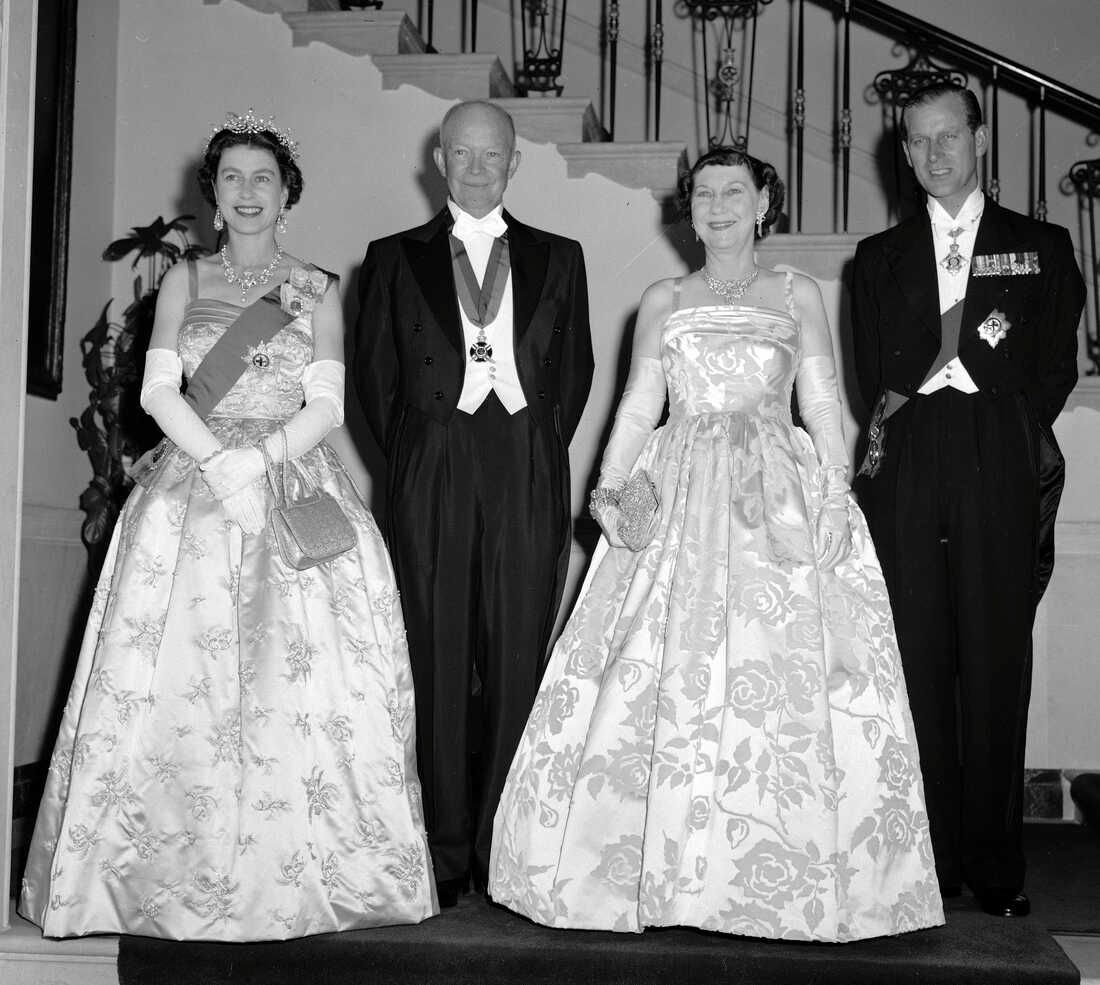
From Virginia, the royal couple traveled to Washington, where President Dwight D. Eisenhower and First Lady Mamie Eisenhower welcomed them with full military honors on the South Lawn of the White House. The Queen stayed in the Rose Bedroom; Prince Philip was given the Lincoln Bedroom.
Eisenhower and Elizabeth had a history. They had first met during World War II, when Eisenhower was Supreme Commander of Allied Forces in Europe and Elizabeth was a teenage princess. Now he was president and she was queen, and their reunion was warm. In his welcoming remarks, Eisenhower said that America's respect for Britain "is epitomized in the affection we have for the royal family."
The state dinner that followed was a landmark event. The menu featured lobster en bellevue, saddle of veal, garden salad, and peach ice cream bombe — and, in an extraordinary innovation for the era, portions of the dinner were broadcast live on television in both the United States and Great Britain. Millions watched.
But it was the less formal moments of the visit that captured the American imagination. On October 19, Queen Elizabeth attended her first — and only — American college football game, at the University of Maryland in College Park. The matchup was Maryland versus North Carolina, and 43,000 fans watched as the Queen, dressed in a coral wool suit with a matching hat, settled into her seat. At halftime, the Maryland marching band formed a giant "ERII" on the field while playing "God Save the Queen." Maryland won 21–7. The game has been known ever since as "The Queen's Game."
After the football, the Queen did something that delighted the press and baffled protocol officers: she visited a Giant supermarket in nearby Chillum, Maryland. Wearing a mink coat, she wandered the aisles examining frozen chicken pot pies, shopping carts with built-in child seats (which apparently fascinated both her and Philip), and racks of Halloween merchandise. She questioned shoppers about their habits and studied the staggering variety of goods on offer. For a woman who had never pushed a shopping trolley in her life, it was a glimpse into the everyday reality of American abundance.
The visit culminated with a whirlwind 24 hours in New York City. The Queen received a ticker-tape parade down Fifth Avenue, visited the United Nations, took in the view from the Empire State Building, and attended ceremonial lunches and dinners. Not everyone was welcoming — the Queens chapter of the Ancient Order of Hibernians sent a letter to Mayor Wagner protesting "the use of taxpayer's money to entertain a British Queen" — but the reception was overwhelmingly enthusiastic.
Eisenhower's own reflection on the visit was telling in its simplicity: "This was one ceremonial visit we were sorry to see end."
Two years later, the Queen would reciprocate by hosting Eisenhower at Balmoral in Scotland — an invitation to her private home that signaled genuine personal affection, not mere diplomatic courtesy.
The Bicentennial: A Queen at America's Birthday Party, 1976
If any single visit captured the peculiar magic of the British-American relationship, it was Queen Elizabeth's 1976 trip to celebrate the American Bicentennial — the 200th anniversary of the Declaration of Independence.
There was something beautifully absurd about the whole thing: the Queen of England, head of the state from which America had violently separated itself two centuries earlier, arriving to help celebrate the occasion. And yet it worked. It worked because of the genuine warmth of the gesture, and because the Queen handled it with exactly the right combination of dignity and good humor.
The Queen and Prince Philip arrived at Penn's Landing in Philadelphia on July 6 aboard the 412-foot royal yacht Britannia. The visit began at the Liberty Bell, where the Queen presented a remarkable gift: the Bicentennial Bell, a six-foot, 12,000-pound bell cast at the same London foundry — the Whitechapel Bell Foundry — that had produced the original Liberty Bell before the American Revolution. The inscription read: "FOR THE PEOPLE OF THE UNITED STATES OF AMERICA FROM THE PEOPLE OF BRITAIN 4 JULY 1976 LET FREEDOM RING."
It was, by any measure, a masterful diplomatic gesture — an acknowledgment of what had happened in 1776, a celebration of what America had become, and an affirmation that the two nations were now bound by something deeper than their old quarrel.
From Philadelphia, the royal party moved to Washington, where President Gerald Ford and First Lady Betty Ford hosted a state dinner on July 7 in the Rose Garden. The dinner, held under a tent, was one of the most glamorous events of the Ford presidency. At the Queen's request, the entertainment featured Bob Hope and Captain Kangaroo star Telly Savalas. The menu included lobster medallions, stuffed roast of veal, and peach ice cream, paired with Napa Valley wines.
The evening produced one of the great comic moments in state dinner history. As President Ford led the Queen onto the dance floor, the United States Marine Band struck up "The Lady is a Tramp." Whether it was an accident or a spectacularly tone-deaf choice by the bandleader has never been definitively established, but the moment has lived on in presidential lore. To her credit, the Queen appeared not to notice — or at least chose not to.
The gifts exchanged during the visit reflected the personalities of both leaders. The Queen presented Ford with a soup tureen featuring a painted image of the White House and Independence Hall, which later went to the Smithsonian Institution. Ford and Betty gave the Queen a bronze statue by artist Harry Jackson depicting a cowboy named Clayton Danks riding a horse called Steamboat — about as American a gift as one could imagine for a horse-loving British monarch.
The visit continued through New York, New Haven, and Charlottesville, Virginia, before the royal couple departed. Betty Ford later described the state dinner as one of the "most glamorous" evenings during her time in the White House.
California Dreaming: Reagan, Rainstorms, and Rancho Del Cielo, 1983
Of all thirteen presidents Queen Elizabeth met during her reign, Ronald Reagan was the one with whom she formed the deepest personal bond.
Their friendship was built on a shared love of horses, a shared sense of humor, and a genuine personal warmth that transcended the formalities of their respective offices. The Queen was a lifelong movie fan who had watched Reagan on screen before he ever entered politics. Reagan, for his part, was an unabashed Anglophile who wore his affection for the Queen openly.
The friendship had been publicly cemented in June 1982, when Reagan made a state visit to Britain and the Queen invited him for an early morning horseback ride through the grounds of Windsor Castle. It was a characteristically personal gesture — horseback riding was the Queen's great private passion, and she shared it with few world leaders. Reagan was a natural in the saddle, and the images of the two of them riding side by side through Windsor Great Park became iconic. That evening, the Queen delivered a witty toast: "I greatly enjoyed our ride together this morning and was much impressed by the way in which you coped so professionally with a strange horse and a saddle that must have seemed even stranger."
Reagan later described the ride as one of the highlights of his entire presidency.
Nine months later, in late February 1983, the Queen and Prince Philip arrived in the United States for a ten-day tour of the West Coast — and it was Reagan's turn to play host. The centerpiece of the visit was to be lunch and horseback riding at Rancho Del Cielo, Reagan's beloved ranch high in the Santa Ynez Mountains above Santa Barbara.
Mother Nature had other plans.
A ferocious El Niño storm — one of the most severe of the century — descended on Southern California, dumping more than three times the normal rainfall on the region and generating 30-foot waves off the coast. The Queen had originally planned to sail into Santa Barbara aboard the royal yacht Britannia, but the seas were far too dangerous. Instead, she and Philip took a U.S. Air Force plane from Long Beach to Goleta. The planned horseback ride was scrapped entirely — the mountain roads leading to the ranch were washed out and impassable. Even the limousines had to be abandoned in favor of SUVs to navigate the flooded, mud-choked roads up to the ranch.
But the Queen was undaunted. She and Reagan had lunch at the ranch — a Mexican-themed spread of enchiladas, chiles rellenos, refried beans, tacos, rice, and guacamole — and reportedly had a wonderful time despite the weather. The Queen described the adventure as "delightful and terribly exciting."
The visit continued through San Diego, Palm Springs, Los Angeles, Sacramento, Stanford, and Yosemite National Park. In Los Angeles, the Queen met Hollywood royalty including Frank Sinatra. In Yosemite, she took in the view from Inspiration Point.
But the highlight came on March 3, when Reagan hosted a state dinner in the Queen's honor at the de Young Museum in San Francisco. During her toast, the Queen deployed the dry wit that Americans had come to adore: "I knew before we came that we had exported many of our traditions to the United States. I had not realized before that weather was one of them."
Reagan, according to his diary, called it "a magic evening. The Queen & His Highness are really warm, likable people."
The Reagan-Elizabeth friendship would endure for the rest of Reagan's life. In 1989, the Queen awarded Reagan an honorary Knight Grand Cross of the Order of the Bath — one of the highest honors she could bestow on a foreign citizen. When Reagan died in 2004, the Queen's declining health prevented her from attending his funeral in Washington. She sent Prince Charles in her place, along with a personal note to Nancy Reagan — a quiet gesture that spoke volumes about the depth of the bond between the cowboy president and the Queen.
"I Do Hope You Can See Me Today": Bush, Baseball, and the Address to Congress, 1991
Queen Elizabeth's 1991 state visit, hosted by President George H.W. Bush, was her longest American tour — thirteen days that took her from the White House to Texas, from a Baltimore Orioles baseball game to the halls of Congress.
The visit began on May 14 with a formal welcome on the South Lawn of the White House, complete with military ceremony and gun salutes. But it also produced one of the most endearingly awkward moments in the history of state visits. When the Queen stepped up to the podium to speak, it became apparent that the lectern had been adjusted for the 6'2" President Bush but not readjusted for the 5'4" Queen. The result was that her face was almost entirely hidden behind the microphone. Only her hat and forehead were visible to the cameras.
The Queen handled it with characteristic grace, but the image made newspapers around the world. When she stood before Congress two days later — becoming the first British monarch ever to address a joint meeting of the United States Congress — organizers had learned their lesson. A small platform had been discreetly placed behind the rostrum. "I do hope you can see me today," the Queen began, to laughter and applause from the approximately 800 members of Congress and guests assembled before her.
Her address to Congress was substantive and moving. She invoked the shared democratic traditions of both nations: "The concept so simply described by Abraham Lincoln as government by the people, of the people, for the people, is fundamental to our two nations." She called the American Congress and the British Parliament "the twin pillars of our civilizations." And she acknowledged America's role in the defining conflicts of the twentieth century: "The United States twice came to the rescue of the free and democratic world when it was facing military disaster."
Beyond Washington, the 1991 visit broke new ground. The Queen traveled to Texas — becoming the first British monarch ever to set foot in the state. In Austin, she addressed the Texas State Legislature. In San Antonio, she visited the River Walk and the Alamo. In Houston, she toured NASA. Governor Ann Richards and former First Lady Lady Bird Johnson hosted a formal reception and dinner at the Lyndon B. Johnson Library and Museum — a gracious touch, given that Johnson was the only president of Elizabeth's reign she had never met.
On May 15, the Queen attended her first Major League Baseball game at Memorial Stadium in Baltimore, where the Oakland Athletics faced the Baltimore Orioles. President and Mrs. Bush accompanied her. The Queen reportedly declined to eat but accepted a drink. The A's won 6–3. The royal couple departed after the second inning — either because the Queen had seen enough baseball, or because her schedule demanded it, depending on which account you prefer.
"When I Was Here in 1776": The Second President Bush, 2007
Sixteen years passed before Queen Elizabeth returned to America. When she did, in May 2007, it was once again Virginia that drew her — this time for the 400th anniversary of the Jamestown settlement, a mirror of her very first state visit half a century earlier.
The 81-year-old Queen and Prince Philip arrived on May 3 and spent two days in Virginia, visiting Richmond, Williamsburg, and Jamestown itself. Vice President Dick Cheney and his wife Lynne accompanied them through the Virginia events. At the Jamestown site, the Queen walked through a replica of the colonial village as crowds lined the paths to catch a glimpse of her. In her address to the Virginia General Assembly, she struck a notably reflective tone: "We are now in a position to reflect more candidly on the Jamestown legacy."
From Virginia, the royal couple traveled to Kentucky for the 133rd running of the Kentucky Derby at Churchill Downs in Louisville — a visit that reflected the Queen's lifelong passion for horse racing. Organizers had conducted 32 separate meetings with British and American security services to plan the Queen's movement through a crowd of 150,000 race fans. She witnessed a thrilling Derby victory when Street Sense surged from 19th position to win.
On May 7, the Queen arrived in Washington for a state dinner at the White House — the first white-tie affair of the George W. Bush presidency. The entertainment was provided by violinist Itzhak Perlman. But the visit is perhaps best remembered for an exchange that perfectly captured the Queen's wit.
During the welcome ceremony, President Bush stumbled over his remarks and appeared to suggest that the Queen had visited the United States in 1776. He caught himself, but the damage was done — the moment was captured on camera and played endlessly on cable news. The Queen gave Bush a famously withering sideways glance.
At a formal dinner at the British Embassy later in the visit, the Queen got her revenge. Rising to deliver her toast, she began: "Mr. President, I wondered whether I should start this toast saying, 'When I was here in 1776' ..." She paused. The room erupted. "But I don't think I will."
Bush, to his credit, laughed and conceded: "I can't top that one."
It was vintage Elizabeth — warm, sharp, perfectly timed, and utterly devastating. The clip went viral and has been watched millions of times since.
The Final Visit: Ground Zero and the United Nations, 2010
Queen Elizabeth's last visit to the United States came in July 2010. It was brief — just three days, tacked onto the end of an eight-day tour of Canada — but it carried an emotional weight that none of her previous visits had possessed.
On July 6, the 84-year-old Queen addressed the United Nations General Assembly for the second time in her reign. Her first address had been in 1957, fifty-three years earlier, during her inaugural state visit. In those intervening decades, the UN had grown from 82 member states to 192. The world the Queen described in her 2010 address was almost unrecognizably different from the one she had spoken to in the Eisenhower era, and she acknowledged as much, reflecting on the vast changes in science, technology, and social attitudes she had witnessed.
But the most powerful moment of the visit came when the Queen traveled by motorcade from the United Nations to Ground Zero.
It had been nearly nine years since the September 11 attacks. The World Trade Center site was still an active construction zone — the new One World Trade Center was only partially built, and the memorial plaza had not yet opened. The Queen walked across a wooden walkway above the construction site to the footprint of the South Tower, where she placed a wreath of red peonies, roses, lilies, black-eyed Susans, and other summer flowers on an iron pedestal. She bowed her head in silence, then gently brushed her gloved hand against the flowers.
Sixty-seven British citizens had died in the attacks. In the days after September 11, the Queen had broken a 600-year-old tradition by ordering the Band of the Coldstream Guards to play "The Star-Spangled Banner" during the Changing of the Guard at Buckingham Palace — the first time a foreign national anthem had ever been played during the ceremony outside of a state visit. An estimated 5,000 people gathered outside the palace that day; many waved American flags through their tears. Now, nearly a decade later, she had come to pay her respects in person.
After Ground Zero, the Queen traveled to Hanover Square, where she officially opened the British Garden — a memorial to the British victims of September 11. It was a quiet, dignified ceremony, but for many of the families of British victims who attended, it was profoundly meaningful.
It was her third and final visit to New York City, and her last visit to the United States.
The Presidents She Never Visited (But Always Welcomed)
While the Queen's American visits ended in 2010, her relationships with American presidents did not. She continued to welcome them in Britain with the same warmth and occasional mischief that had characterized her visits to their country.
Bill Clinton and Hillary Clinton visited Buckingham Palace in November 1995, and again in December 2000 for tea with their daughter Chelsea. Clinton later described the Queen as "an amazing woman" who was "all business."
Barack Obama and Michelle Obama visited three times over their eight years in the White House. The most famous moment came in April 2009, during the G20 summit, when the Queen and Michelle Obama were photographed standing arm in arm at a Buckingham Palace reception — a spontaneous gesture that broke royal protocol but delighted the public. The Queen had initiated it. In May 2011, at a state banquet, Obama offered a toast that captured what Elizabeth meant to the alliance: "You are a living witness to the power of our alliance and a chief source of its resilience."
Donald Trump made a state visit in June 2019, during which the Queen hosted him at Buckingham Palace for a state banquet. She spoke of "common values and shared interests" and of the sacrifice of D-Day.
And in June 2021, just over a year before her death, the Queen welcomed Joe and Jill Biden to Windsor Castle for tea — their first meeting as president and first lady, though Biden had met the Queen previously. She was 95 years old, still performing her duties, still meeting presidents, still embodying the alliance.
A Son Follows His Mother's Path
When King Charles III arrives in Washington later this month, he will carry with him the accumulated weight of his mother's seven decades of American diplomacy. His visit — commemorating the 250th anniversary of American independence, a quarter-millennium after the event that severed the colonies from the Crown — is scheduled to include a state banquet at the White House, an address to a joint meeting of Congress, a visit to the September 11 Memorial in New York, and engagements in Virginia.
It is, in many ways, a mirror of his mother's visits: Virginia, where it all began at Jamestown; New York, where she received ticker-tape parades and laid wreaths at Ground Zero; Washington, where she charmed thirteen presidents and told Congress that their two parliaments were "the twin pillars of our civilizations."
The Queen understood something fundamental about the British-American relationship: that it was built not just on shared strategic interests but on genuine affection, cultivated through personal connection, sustained through decades of visits and toasts and handshakes and horseback rides. She once said that Winston Churchill had advised her early in her reign to "stay close to the Americans." She took that advice to heart — and America loved her for it.
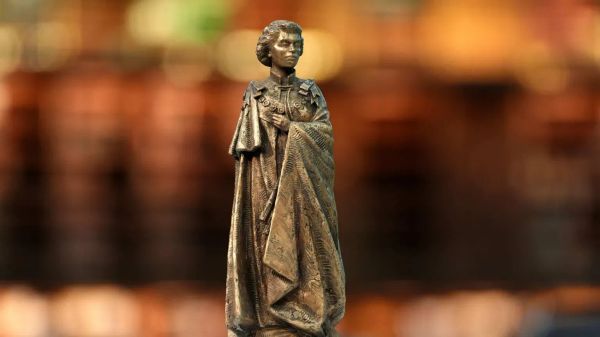
Queen Elizabeth II visited the United States for the last time in 2010. She died on September 8, 2022, at Balmoral, at the age of 96. In her seven visits as queen, she had witnessed America change beyond recognition — from the Eisenhower era to the age of the smartphone, from the Cold War to the war on terror. Through it all, she remained a constant: graceful, witty, unflappable, and deeply committed to the friendship between two nations that had once been one.
Her son now carries that torch. And when he stands before Congress this month, he will do so knowing that his mother stood there before him — and that she began her toast by making the President of the United States laugh.
King Charles III's state visit to the United States is scheduled for April 27–30, 2026.